
Datum i termin prikazivanja
04.11.2026. 21:20 Split
O filmu
Kategorija: Eksperimentalni film
Žanr: experimental, short, nature, environmental, climate change
Zemlja: SAD
Trajanje: 15′ 53″
Godina: 2025.
Studentski film: Ne
Redatelj: Julia Edith Rigby
Scenarist: Julia Edith Rigby
Uloge: Julia Edith Rigby
Producent: Julia Edith Rigby
Sinopsis
Lithic Breathing explores themes of planetary histories and possible futures, starting with the act of listening as an act of care.
In the heart of Los Angeles, California breathes a pipe organ featuring over 4000 pipes.
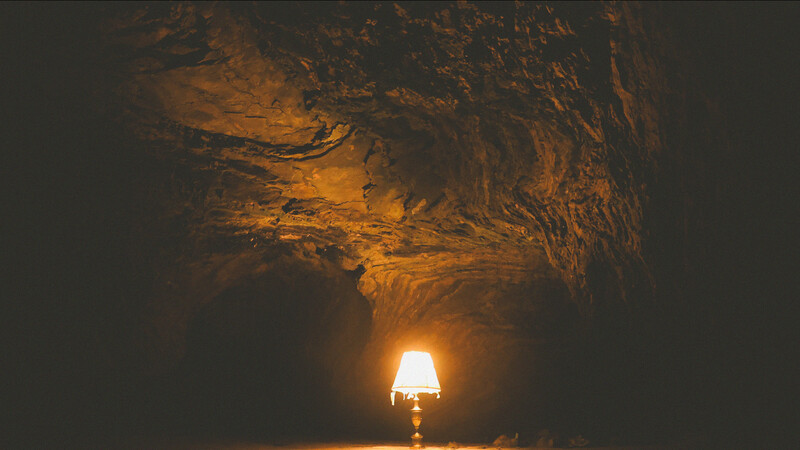
Just south of the city breathe sea caves carved from ancient rock.
The caves have borne witness to our collective past, to the processes that shaped our planet and who we are. Ancient geological and oceanic forces formed these caves, and their configuration speaks to those forces. These rocks are keepers of climate memory.
Pipe organs too are relics of ancient worlds. Like sea caves, pipe organs are portals to different ways of thinking about breathing and listening. For pipe organs and sea caves, breathing is a matter of apertures opening and closing.
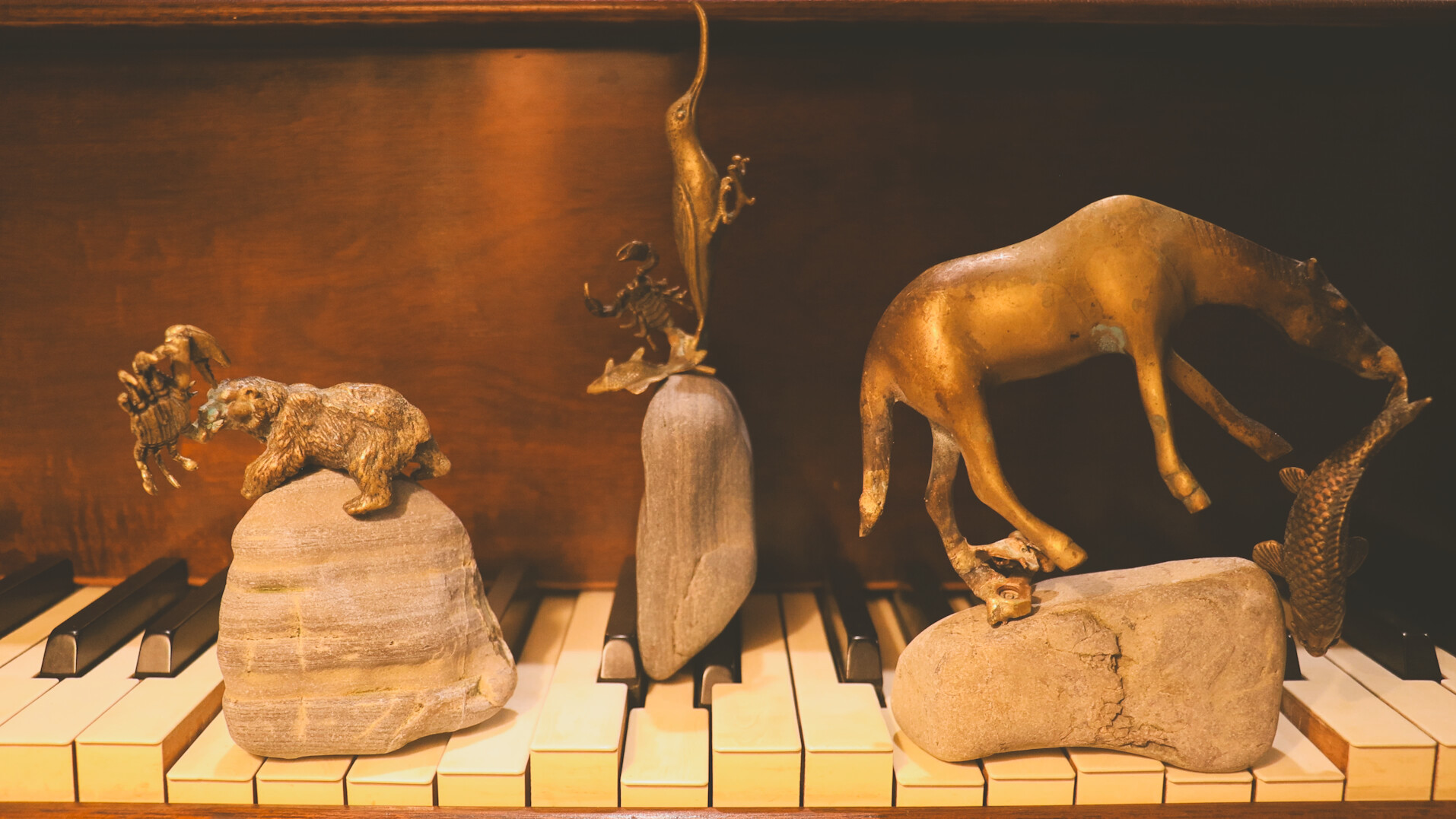
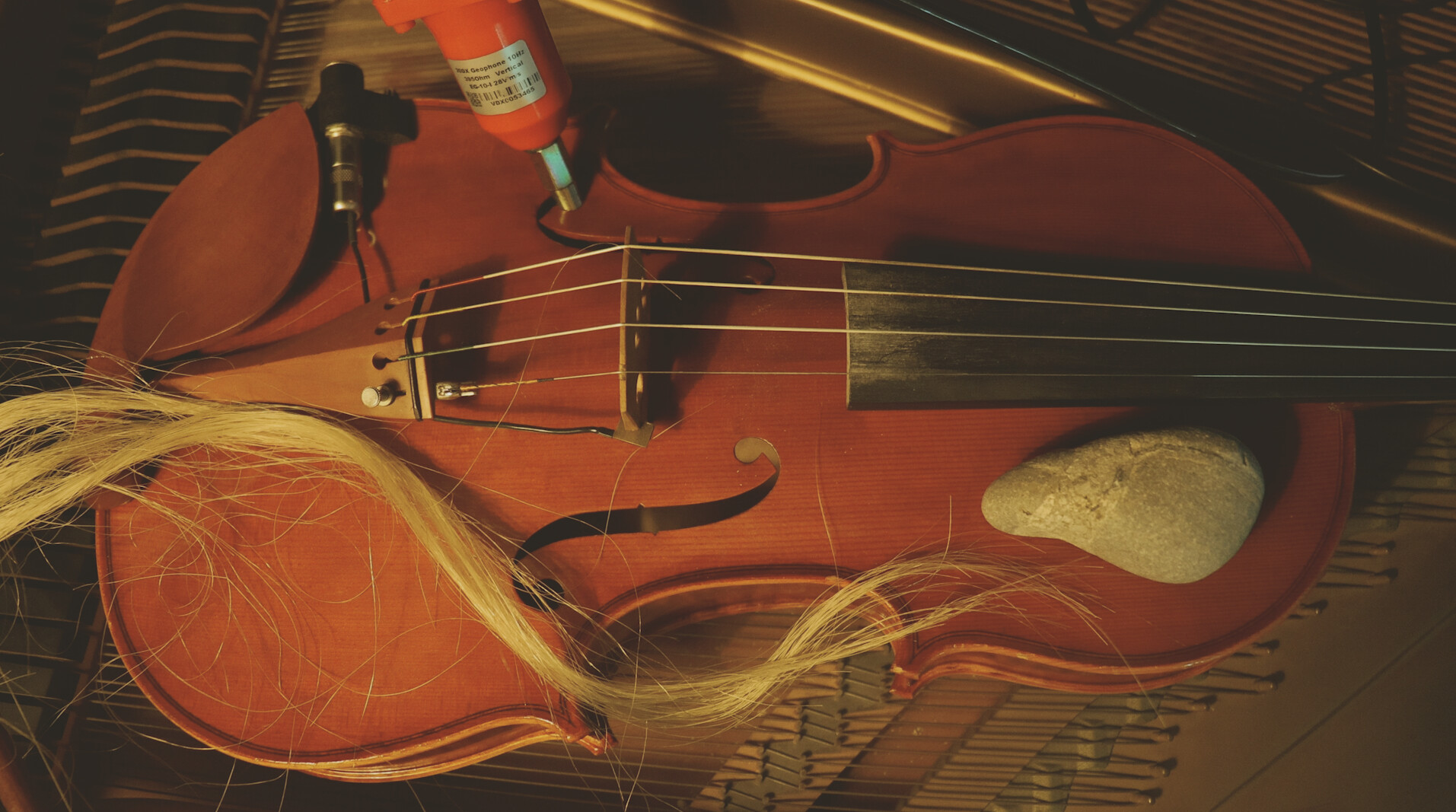
This short experimental film explores our wild and resonating worlds—the world we inhabit now, and worlds that have come and gone. Geophones, pipe organs, viola, piano, stones, bells, live electronics, field recordings and experimental lutherie come together in the making of a score that carves space for memory, imagination and encounter.
This is a story about sea caves and pipe organs, and the ways that they can expand and entangle our thinking about ritual and breathing, listening and resonance, planetary change and deep time. It is a story about the primeval interconnected forces that molded our world. It is a story that begins millions of years ago, with the emergence of these rock formations during the Miocene epoch roughly fifteen million years ago. These rocks are storytellers. Many worlds have blossomed and withered during their existence.
How can lithic listening help us better understand—and reimagine—the stories of our oceans? Of our planet? Our place in time?
Geophones and experimental lutherie help us explore these questions by opening our ears and minds to new modes of perception.
When we listen to a sea cave through a geophone—a sensor that detects low-frequency vibrations–we are listening to stone and we are listening through stone. We are listening to the sea through a filter of ancient matter. We are listening to the world through the remnants of past planets.
When wire and bow transform a sea cave into a walk-in cello, our ears open to the acoustics of more-than-human architectures, and to the echoes of deep time.
What is it like to listen to the world through a fifteen-million-year-old filter of rock?
What does a sea cave’s memory sound like?
Sea caves carry us back into deep time and forward into an uncertain future. They invite us to think geologically.
How can geological listening help liberate our imaginations from the present moment, allowing us to speculate on what might have been, and what might be? To dream about not just listening to history, but shaping it?
What happens when we start to open our ears and minds to cave voice, cave memory, cave time?
If listening is an act of attention and care, how might lithic listening conjure new upwellings of planetary wonder, new imaginings of possible futures?
What stories do sea caves have to tell us?
(All outdoor sound sculpture installations were ephemeral and left no trace on the environment).
Galerija